

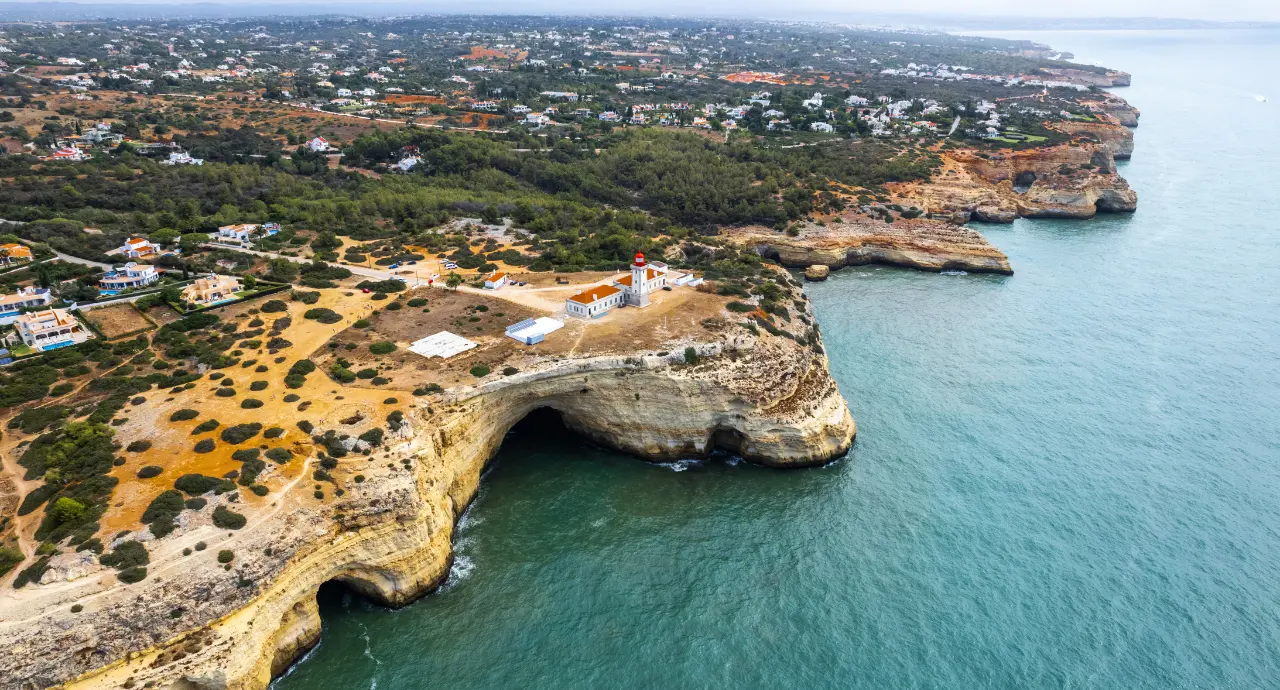
Why the Eastern Algarve Is Perfect for a Winter Stay
Discover why the Eastern Algarve in winter is ideal for a peaceful getaway, with quiet beaches, the Ria Formosa, Tavira and Fuseta, scenic walking and cycling routes, birdwatching, local food and comfortable holiday rentals. Experience a slower, more authentic side of the Algarve away from the summer crowds.
Inside this story
There is a version of the Algarve that many summer visitors never really get to see. It appears when the busiest holiday months are over, the beaches become quieter and everyday life returns to the towns and fishing communities along the coast. Instead of planning each day around the heat or trying to fit several attractions into a crowded itinerary, winter gives you more time to experience the Algarve at a slower pace.
The Eastern Algarve is particularly well suited to this kind of holiday. Around Tavira, Fuseta, Olhão and the Ria Formosa, the landscape is different from the rocky cliffs and large resort areas that many people associate with southern Portugal. Here, the coastline is shaped by lagoons, salt pans, barrier islands, long sandy beaches and traditional communities that continue to feel connected to fishing, food and the natural environment.
For travellers looking for winter sunshine combined with walking, cycling, birdwatching, local food and quiet days beside the coast, staying in the Eastern Algarve gives you something that can be difficult to find during the height of summer: space to slow down without running out of things to do.
Winter in the Eastern Algarve Is About Slowing Down, Not Stopping
Winter does not mean that life in the Algarve disappears. Tavira, Olhão and the smaller communities around the Ria Formosa are real places rather than destinations that exist only for tourism, so there is still plenty of local life once the summer season ends.
What changes is the pace. Beaches that attract large numbers of visitors in July and August feel much more open, restaurants and cafés become places where there is little reason to rush, and coastal walks can be enjoyed without planning around the midday heat. The quieter atmosphere makes the region particularly appealing to couples, nature lovers, walkers and people staying for longer than a typical summer week.
The weather also supports this slower style of travelling. Portugal's official tourism authority notes that the Algarve receives more than 3,000 hours of sunshine per year and has a mild climate that makes winter suitable for relaxation and outdoor activities. Winter is naturally more changeable than summer, but mild days can still make it comfortable to spend several hours outdoors.
That does not mean arriving with expectations of a summer beach holiday in January. Winter works best when you come for the landscape, food, outdoor activities and quieter atmosphere rather than guaranteed swimming weather.
The Ria Formosa Changes the Character of a Winter Holiday
One of the strongest reasons to choose the Eastern Algarve is the Ria Formosa Natural Park. Stretching for around 60 kilometres along the Algarve coast, this protected wetland is a landscape of channels, salt marshes, islands, mudflats and sandy beaches. Portugal's tourism authority describes it as one of the Algarve's most important wildlife areas and highlights exploring it on foot or by boat.
The Ria Formosa is not the sort of attraction you need to visit once and then cross off your itinerary. When you stay nearby, it becomes part of the everyday experience. You might walk beside the salt pans in the morning, notice birds feeding in the shallows on the way to lunch and return later to see the lagoon looking completely different as the light and tide change.
That is particularly enjoyable in winter because you have time to notice those changes. Without the pressure to spend every sunny hour on the beach, the lagoon, wetlands and surrounding villages become part of the holiday rather than somewhere you briefly visit between other attractions.
For Somewhere Special, this is also a natural fit. Its homes are concentrated in the Eastern Algarve, including locations around the Ria Formosa, Fuseta and Pinheiro, with the company positioning its accommodation around nature, authentic surroundings and access to the quieter side of the region.
You Can Spend More of Your Holiday Outdoors
One of winter's biggest advantages is that being active becomes much easier. In summer, longer walks and cycle rides often have to be planned around high temperatures, while winter gives you a larger part of the day in which to explore comfortably.
Portugal's tourism authority specifically identifies September through June as particularly pleasant for walking and cycling in the Algarve. It also points to the south and east of the region for flatter routes beside the sea and through the quieter landscapes of the Ria Formosa and River Guadiana.
That makes the Eastern Algarve attractive even if you would never describe yourself as a serious hiker or cyclist. You can ride from one village to another, walk to the beach, follow the lagoon for an hour or spend a morning exploring salt-pan landscapes without turning the day into an endurance challenge.
Somewhere Special's Ria Formosa guide highlights local cycling possibilities from the Pinheiro area towards places including Fuseta, Tavira, Barril and Olhão, with access to the coastal route nearby. The real benefit is not simply having a cycle route nearby; it is being able to leave the car behind occasionally and experience the area at a slower pace.
Tavira Is Easy to Enjoy Without Beach Weather
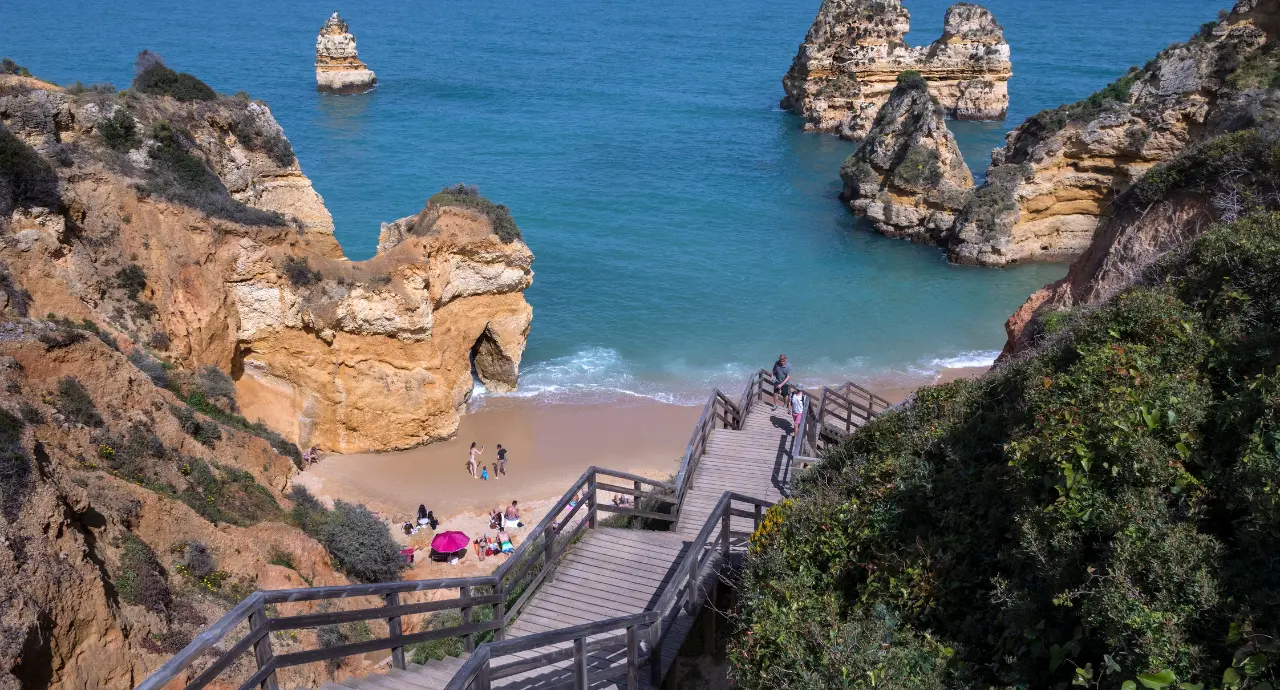
Tavira is one of the reasons the Eastern Algarve works so well outside summer. The town has enough character to make an enjoyable day even when you have no intention of going to the beach.
You can walk beside the Gilão River, explore the older streets, stop for coffee, have a long lunch and continue towards the salt pans and Quatro Águas if the weather is good. Visit Portugal notes that the route out towards the Ria Formosa passes the white salt pans, where species such as flamingos, black-winged stilts and avocets may be seen, before reaching the crossing towards Tavira Island.
This combination of town and nature is useful in winter because the day does not depend on perfect weather. If the morning is cloudy, spend more time exploring Tavira. If the afternoon brightens, continue towards the coast or take a walk beside the Ria Formosa.
For travellers who dislike building a holiday around a rigid schedule, this flexibility is one of the Eastern Algarve's greatest strengths.
Fuseta Gives You Nature Without Feeling Remote
Fuseta offers a different winter experience. It is smaller and more closely connected to the lagoon, making it particularly appealing if you want the Ria Formosa to feel like part of your surroundings rather than somewhere you drive to visit.
The town remains connected to fishing, local markets, seafood and the lagoon landscape. Somewhere Special's own guide describes Fuseta as a fishing community surrounded by the Ria Formosa, with salt pans that attract birdlife and opportunities for cycling nearby.
For winter visitors, that makes everyday plans pleasantly simple. A morning can start with a walk beside the water, followed by lunch in town, a cycle ride in the afternoon or a quiet evening back at your holiday home. There is no need to fill every day with major attractions because the setting itself provides much of the experience.
Fuseta is particularly attractive for birdwatchers and photographers. Somewhere Special's Loft With a View overlooks the Ria Formosa salt pans and is specifically presented as a birdwatching-oriented property, illustrating how closely accommodation and the surrounding landscape can be connected here.
Olhão Adds Markets, Seafood and Local Life
Winter holidays work better when your surroundings offer more than beaches, and this is where Olhão becomes especially useful. The town's fishing heritage, waterfront and markets give visitors somewhere to explore even when the weather does not invite a full day outside.
The Ria Formosa Natural Park headquarters and environmental interpretation facilities are also associated with the Olhão area, while nearby Quinta de Marim provides access to the protected landscape and birdwatching opportunities.
You can therefore combine a morning in nature with an afternoon in town without travelling across the Algarve. That balance becomes particularly valuable in winter, when conditions may change during the day and flexibility makes for a much more enjoyable holiday.
Olhão is also one of those places where food can easily become the day's main activity. Rather than treating lunch as something squeezed between sightseeing stops, winter gives you permission to take your time.
The Beaches Feel Completely Different
You do not need hot weather to enjoy the coast. In winter, many Eastern Algarve beaches become places for walking, photography, reading, watching the sea and simply having more space around you.
The Ria Formosa is separated from the Atlantic by a long system of sandy barrier islands, creating beaches that feel very different from the cliff-backed coves of the western Algarve. Visit Portugal describes the protected area as including long, often almost deserted sandy beaches along the strip separating the lagoon from the sea.
Praia do Barril, the beaches of Tavira Island, Fuseta and the stretches farther east around Cacela and Manta Rota can all become part of a winter stay without needing to be full-day beach destinations. A beach walk before lunch or an hour beside the sea late in the afternoon is often enough.
That flexibility is one reason we created a separate guide to the best Algarve beaches for winter walks rather than treating beaches only as places for summer swimming.
Winter Is a Particularly Good Time for Birdwatching
The Ria Formosa's wetlands are important habitats for waterbirds, and winter is one of the most interesting periods for visitors who enjoy wildlife. Portugal's tourism authority identifies the Ria Formosa and the Castro Marim marshes as major Algarve wetlands for birdwatching, with flamingos, spoonbills, purple swamphens and many other species associated with the protected landscape.
You do not have to arrive with specialist equipment or a list of species you want to find. For many travellers, birdwatching begins simply because the birds are already part of the scenery. Spend enough time beside the salt pans or lagoon and you naturally start noticing what is moving across the water.
More enthusiastic birdwatchers can visit places such as Quinta de Marim, the Tavira salt pans, Fuseta and other established observation areas. Our separate Winter Birdwatching in the Ria Formosa guide goes into those locations in more detail, keeping this article focused on the overall winter-stay experience.
A Self-Catering Home Makes More Sense in Winter
Accommodation matters differently in January than it does in August. In summer, many travellers spend most of the day outside and return to their accommodation mainly to sleep, shower or use the pool. During winter, the home itself becomes a more meaningful part of the holiday.
A comfortable living area, a kitchen, Wi-Fi and good heating allow you to enjoy the slower days rather than feeling that you always need to be out. Somewhere Special states that its properties use a combination of open fires, wood burners, electric heaters and air-conditioning heating during winter, depending on the individual home.
Self-catering also gives the day more flexibility. If the morning is beautiful, leave early and explore. If rain arrives later, return home, cook something you bought locally and decide afterwards whether you want to go out again.
Some properties are particularly connected to the landscape around them. Luazinha, for example, is a traditional fisherman's cottage with Ria Formosa views, nearby walking and cycling routes and proximity to Barril, Fuseta and Tavira. For larger groups, Meia Lua offers five bedrooms, gardens, panoramic Ria Formosa views and a heated saltwater pool.
The point is not simply to find somewhere to sleep. During winter, it is worth choosing somewhere you will genuinely enjoy spending part of the day.
The Eastern Algarve Works Well for Longer Stays
Winter travel does not always need to mean a three- or four-night break. The quieter pace of the Eastern Algarve naturally suits visitors who want to stay for several weeks, work remotely for part of the trip or simply experience the region more gradually.
A longer stay changes the way you travel. You do not have to visit Tavira, Fuseta, Olhão and Cacela Velha within three days because there will always be another morning. You can wait for a good-weather window before taking a longer walk, return to the same restaurant twice and begin recognising the routes around where you are staying.
Self-catering accommodation supports that style of trip because you are not dependent on eating out three times a day. Somewhere Special also notes that stays of more than ten nights include weekly cleaning, which is particularly relevant for travellers planning an extended winter stay.
For many people, this is when the Eastern Algarve starts feeling less like somewhere they are visiting and more like somewhere they are temporarily living.
It Is Still Easy to Have Different Kinds of Days
Choosing a quiet base does not mean every day has to look the same. One of the Eastern Algarve's strengths is the variety you can create without constantly changing accommodation.
A good-weather day might be spent cycling towards Fuseta or walking around Barril. Another morning might begin with birdwatching around the Ria Formosa before lunch in Tavira. If you want a bigger change of scenery, you can explore farther east towards Cacela Velha and Castro Marim or take a day trip elsewhere in the Algarve.
This is also where the winter content cluster becomes useful for travellers. Someone interested in a particular experience can move from this overview into our guides covering winter walking routes, cycling around Tavira and Fuseta, Ria Formosa birdwatching, winter beach walks and Algarve surfing without forcing every subject into one enormous guide.
The Eastern Algarve simply provides the base from which those different days become possible.
Who Will Enjoy an Eastern Algarve Winter Stay Most?
The Eastern Algarve is particularly suited to travellers who prefer a holiday with some independence. Couples can combine quiet coastal days with restaurants and historic towns, nature lovers can spend time around the Ria Formosa, while walkers and cyclists benefit from the cooler season and flatter coastal landscapes.
It also works well for people who value space and atmosphere over a packed entertainment schedule. If your ideal holiday requires busy nightlife and resort entertainment every evening, winter in a quieter part of the Algarve may not be the obvious choice. If you enjoy waking up without needing to decide immediately what attraction you are visiting next, however, that slower rhythm can become the reason to come.
The same applies to longer stays. Having a kitchen, Wi-Fi, comfortable indoor space and places you can explore locally becomes more important when you are staying for two or three weeks rather than four nights.
Choosing the right destination is therefore less about asking whether the Eastern Algarve is "better" than the western Algarve and more about deciding what kind of winter holiday you actually want.
A Winter Holiday That Feels Less Rushed
Perhaps the strongest reason to visit the Eastern Algarve in winter is that you do not have to try so hard to have a good day.
A sunny morning beside the lagoon can become a walk. A calm afternoon can turn into a bike ride. A cloudy day can be spent wandering through Tavira or eating somewhere in Olhão, while a clear winter evening might simply be enjoyed back at your holiday home overlooking the Ria Formosa.
There will be days when the weather changes your plans, and there may be mornings when doing very little feels like the best option. That is not a problem with an Eastern Algarve winter holiday; it is part of its rhythm.
When you stop judging the Algarve by how many hours you spent lying on a beach, winter starts to make much more sense. You begin noticing the villages, food, birds, salt pans, walking routes and everyday landscapes that are much easier to overlook during a busy summer trip.
Find Your Somewhere Special in the Eastern Algarve
Somewhere Special's self-catering holiday homes are centred around the Ria Formosa and Eastern Algarve, with villas, cottages, farmhouses and apartments designed for travellers looking for a more independent stay surrounded by nature. The collection ranges from traditional fisherman's cottages to larger villas and distinctive properties overlooking the lagoon and salt pans.
For winter visitors, that means you can choose a home according to the way you actually want to spend the season. Stay close to birdwatching landscapes, find somewhere beside a cycling route, choose extra space for a family or group, or simply look for a comfortable terrace and a view you will be happy to return to at the end of the day.
A winter holiday in the Eastern Algarve is not about recreating August in January. It is an opportunity to experience a quieter, more natural and slower side of southern Portugal.
Explore Somewhere Special's Eastern Algarve holiday homes and find a winter stay that gives you time to enjoy the Algarve differently.